Kitchen Organization Hacks That Make Cooking Easier

You do not need a luxury pantry makeover to fix it. A few practical kitchen organization hacks can make cooking faster, easier, and far less stressful every day.
Cooking is not only about recipes or skills. Often, the real challenge is friction. You cannot find the spatula, the spices are buried, the leftovers are hidden, and the counter is covered in clutter before you even begin. A disorganized kitchen can make simple meals feel exhausting.
Clear the Most Important Work Zones
Not every area of the kitchen matters equally. Focus first on the spaces you use most often: the prep counter, the stove zone, the sink area, and everyday dishes.
Keep counters as clear as possible so there is room to cook immediately. If the first step to making dinner is moving piles of mail or random appliances, cooking becomes harder.
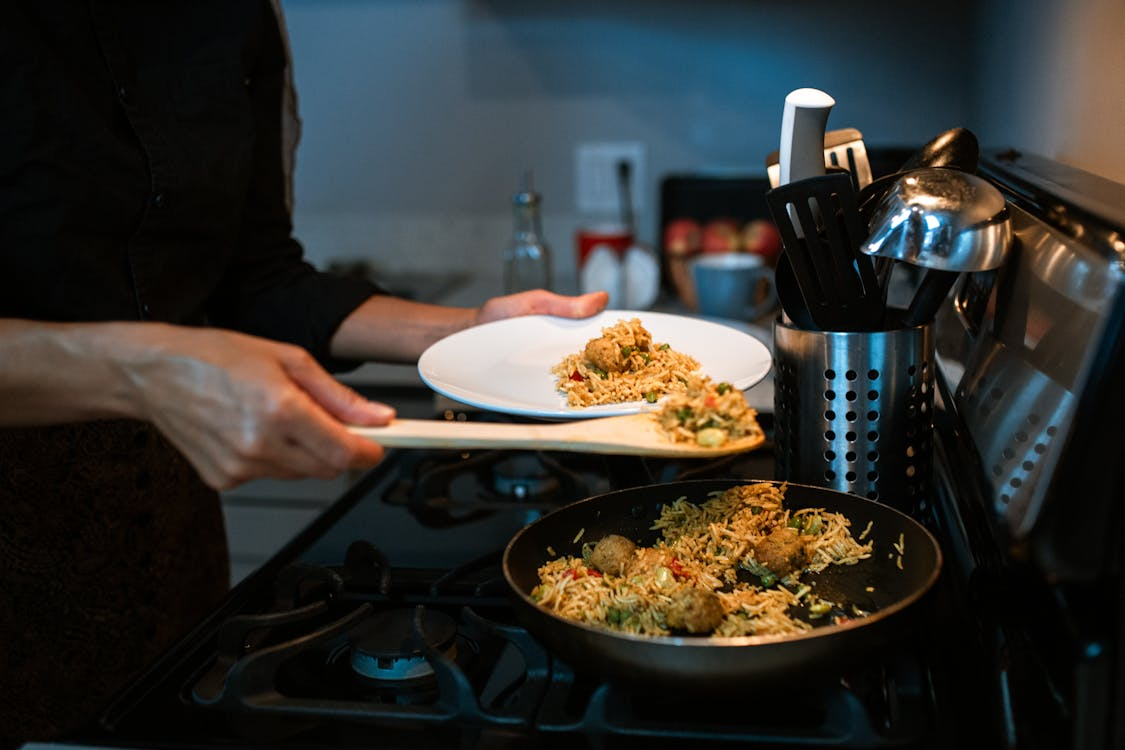
Store commonly used pans, utensils, knives, and cutting boards near where they are used. Convenience should guide placement.
Explore 12 Time-Saving Kitchen Tools That Actually Work for faster everyday prep.
Group Items by Function
One of the easiest organizational upgrades is to store things by task rather than by random categories.
Keep baking items together. Store coffee supplies in one zone. Put lunch-packing items on one shelf or in one drawer. Group oils, vinegars, and spices near the stove.
This reduces hunting and repeated movement. When everything needed for a task is kept together, routines become smoother.
Think in stations rather than scattered objects.
Make Food Visible
Many groceries go unused simply because they disappear.
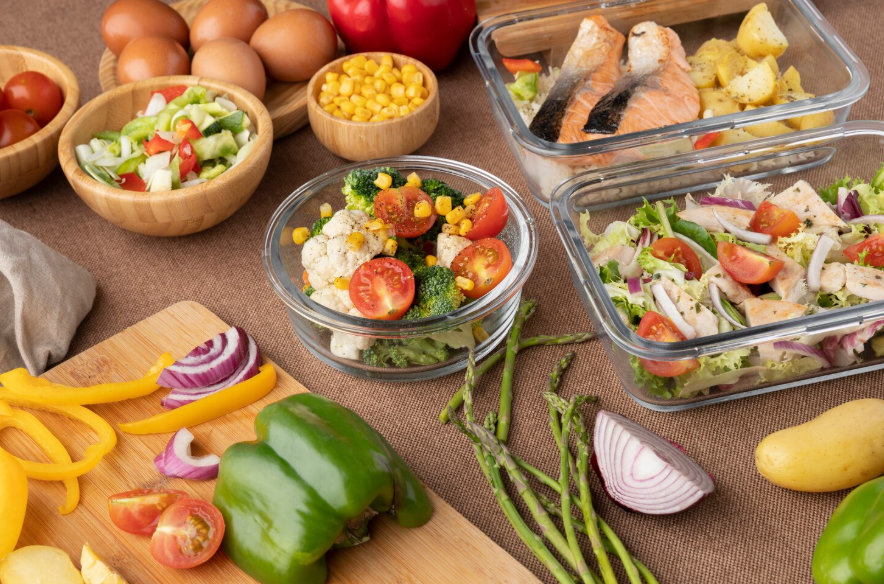
Use clear containers when practical. Keep ready-to-eat foods at eye level. Move older leftovers to the front of the fridge. Store healthy snacks where they are easy to grab.
In cabinets, place frequently used staples in front and specialty items higher or farther back.
Visibility turns forgotten food into used food.
Read The Best Ways to Store Fresh Produce So It Lasts Longer for smarter food storage.
Simplify Containers and Lids
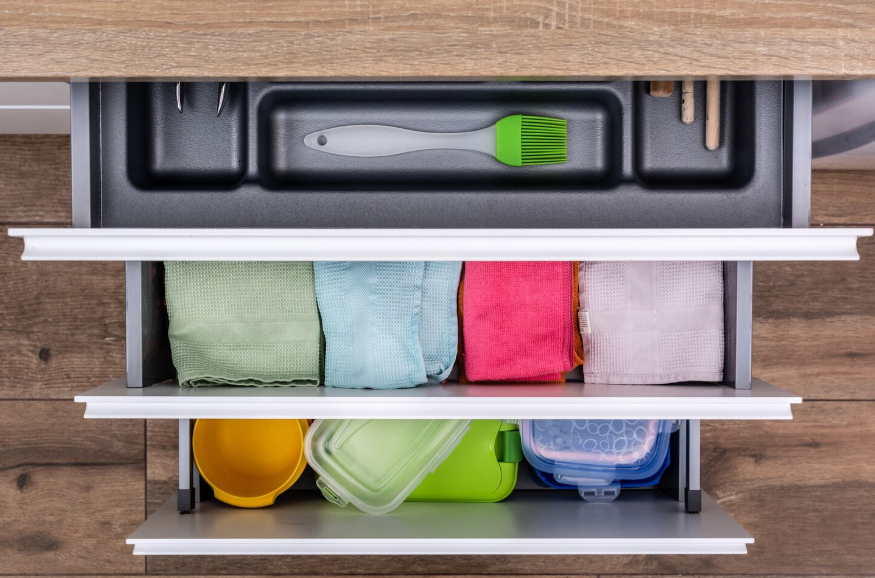
Container chaos can make meal prep and leftovers frustrating. Too many mismatched shapes create clutter and missing lids.
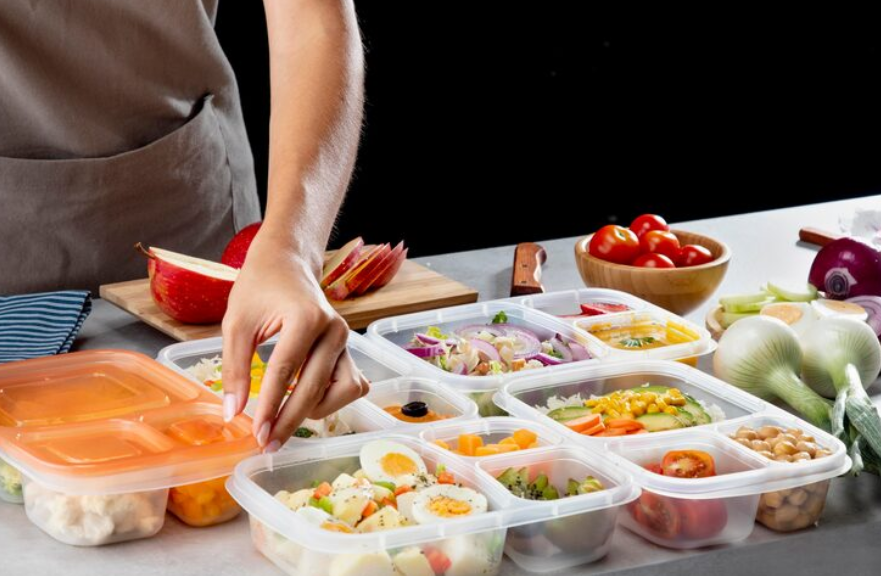
Choose a few go-to sizes instead of endless random pieces. Nest containers when possible and store lids vertically in a bin or divider.
This small change can make storing food faster and less of a hassle every single day.
Sometimes the problem is not food prep; it is container friction.
Check The Best Containers for Meal Prep (Tested & Ranked) for easier storage.
Create a Quick Reset Routine
Organization works best when maintained in small moments rather than through giant cleanouts.
Try a five-minute evening reset: clear counters, load dishes, wipe surfaces, return items to their zones, and check the fridge for leftovers.
This keeps the kitchen usable without requiring marathon cleaning sessions.
Small resets prevent tomorrow’s cooking from starting in yesterday’s mess.
Use Labels Only Where Helpful
Labels can be useful, but they are not required everywhere. Use them where confusion happens most: pantry jars, freezer meals, leftover dates, or shared household systems.
Do not turn organizing into an art project unless you enjoy that. Function matters more than aesthetics.
A handwritten freezer date can be more useful than a perfectly styled pantry label.
Organize Around Real Habits
The best kitchen setup matches how you actually live. If you make smoothies daily, keep blender tools accessible. If lunches are chaotic, create a lunch zone. If weeknights are rushed, keep sheet pans and go-to ingredients easy to reach.
Do not organize someone else’s routine. Organize for your own friction points.
That is where the biggest gains happen.
See The Sunday Reset: How to Set Up Your Kitchen for the Week for a simple weekly routine.
Easier Cooking Starts Before the Stove
Many cooking problems are really setup problems. When tools are easy to find, food is visible, and workspaces are clear, cooking takes less effort.
You do not need a magazine-worthy kitchen to benefit. A few smart changes can make ordinary meals feel dramatically easier.
Good organization is not about perfection. It is about removing obstacles between you and dinner.